 Gilly Gwilliams
 Nov 20
 5 minutes

There’s something about Greek blue that stops you in your tracks. Whether it’s the endless Aegean stretching before you, the iconic blue-domed churches of Santorini, or the vibrant blue and white flag fluttering in the Mediterranean breeze – this particular shade of blue isn’t just beautiful. It’s transformative.
But why does Greek blue affect us so profoundly? The answer lies in a fascinating blend of ancient wisdom, national identity, and modern colour therapy science.
Colour therapy, also known as chromotherapy, recognises that different colours affect our physical, emotional, and mental wellbeing. Blue sits at a unique intersection of healing properties:
Physiological Effects:
Lowers blood pressure and heart rate
Reduces cortisol (stress hormone) levels
Slows respiration, encouraging deeper breathing
Promotes production of melatonin for better sleep
Calms the nervous system
Psychological Benefits:
Reduces anxiety and mental chatter
Enhances clarity and communication
Promotes feelings of peace and tranquillity
Encourages introspection and self-reflection
Supports emotional release and healing
When you’re surrounded by Greek blue – whether gazing at the sea or sky – your body literally responds. Your breathing deepens. Your shoulders drop. Your mind quietens. This isn’t imagination; it’s biology.
The ancient Greeks didn’t just appreciate blue aesthetically – they understood its spiritual significance. Interestingly, ancient Greek didn’t have a specific word for “blue” as we know it. Homer described the sea as “wine-dark,” and the sky was often referenced through metaphor rather than direct colour naming.
This wasn’t because they couldn’t see blue. Rather, the Greeks categorised colours differently, focusing on qualities like brightness, darkness, and saturation rather than hue alone.
The Sacred Blue:
Blue was associated with the divine realm and the heavens
Lapis lazuli, a deep blue stone, was more valuable than gold and used in sacred ceremonies
The colour represented immortality and the infinite
Blue pigments in ancient frescoes were reserved for depicting gods and goddesses
The philosopher Aristotle believed colours existed on a spectrum between light and darkness, with blue representing the transition between day and night – a liminal space of transformation.
The modern Greek flag, adopted in 1822 during the War of Independence, carries profound symbolism in its blue and white stripes:
The Blue Represents:
The Greek sea and sky
Freedom and the fight for independence
The endless horizon and limitless possibility
Greek resilience and hope
Historical Significance: The nine stripes represent the nine syllables of the Greek motto “Ελευθερία ή Θάνατος” (Eleftheria i Thanatos) – “Freedom or Death.” This wasn’t just a slogan; it was a declaration of the Greek spirit.
The specific shade of blue has varied throughout history, but it consistently echoes the Aegean Sea – that distinctive turquoise-azure that seems to exist nowhere else on earth.
If you’ve been to Greece, you know: Greek blue isn’t like other blues. There’s a quality to it that photographs can’t quite capture. Here’s why:
The Mediterranean Light: Greece enjoys over 250 days of sunshine annually. This intense, clear light interacts with the sea and sky differently than in northern climates. The light bounces, refracts, and creates that luminous quality unique to the Mediterranean.
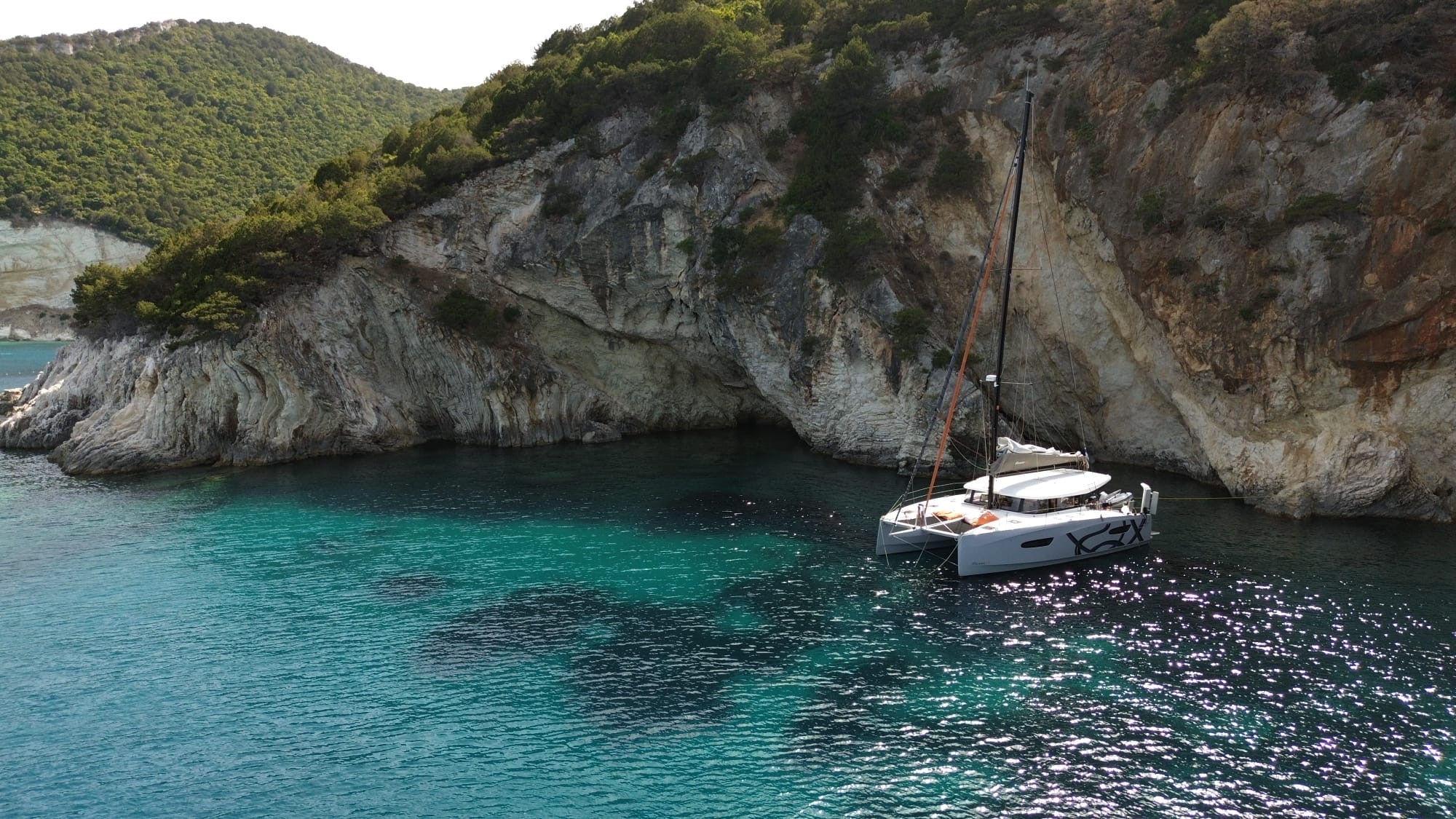
The Aegean Sea Composition: The Aegean’s particular shade comes from its depth, the white limestone seabed, and the way sunlight penetrates the crystal-clear water. The result? That iconic turquoise-blue that seems to glow from within.
Cultural Reinforcement: The blue-and-white aesthetic isn’t accidental. In the 1960s and 70s, the Greek military government mandated that island buildings be painted blue and white to promote national identity and tourism. What began as policy became cultural identity – and therapeutic environment.
When you attend a wellness retreat in Greece, you’re not just visiting a beautiful location. You’re immersing yourself in a colour therapy experience that ancient wisdom recognised and modern science confirms.
Your Daily Blue Immersion:
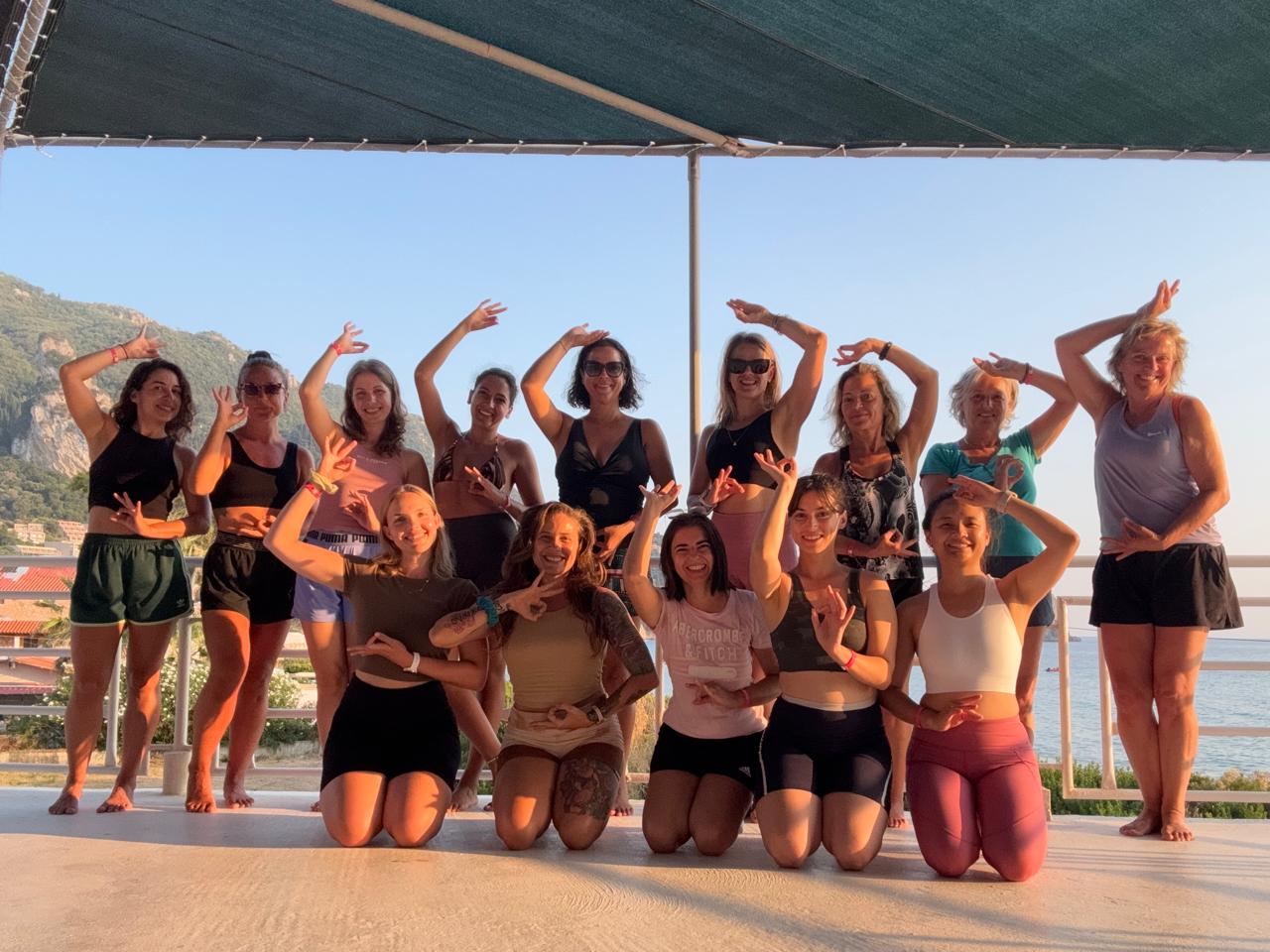
Morning yoga overlooking the azure Aegean
Meditation with the endless blue horizon as your focal point
Meals on terraces surrounded by blue-and-white architecture
Evening walks along the shore as the sea turns deep sapphire
Sleeping to the sound of waves, your room bathed in reflected blue light
This constant exposure to blue creates a cumulative therapeutic effect. Your nervous system gradually downregulates. The mental chatter quietens. You begin to breathe more deeply, sleep more soundly, and think more clearly.
The ancient Greeks may not have called it “colour therapy,” but they understood the healing power of their environment:
Asklepieion Healing Temples: These ancient healing sanctuaries were strategically located near the sea, where patients could benefit from the blue vista during their recovery. The priests of Asklepios knew that environment affected healing.
Thalassotherapy: The Greek practice of using seawater for healing dates back millennia. But it wasn’t just the water’s mineral content – it was the complete sensory experience, including the visual impact of endless blue.
Modern Integration: Today’s Greek wellness retreats honour this wisdom. Yoga platforms face the sea. Meditation spaces maximise blue views. Treatment rooms incorporate blue textiles and décor. It’s ancient wisdom meeting modern wellness design.
Days 1-2: Nervous System Reset Your body begins responding to the blue environment. Stress hormones drop. Sleep improves. You notice yourself taking deeper breaths.
Days 3-4: Mental Clarity Emerges The constant mental chatter begins to quiet. Problems that seemed overwhelming gain perspective against the endless blue horizon.
Days 5-7: Emotional Release and Renewal With your nervous system calm and mind clear, emotional healing becomes possible. Many retreat guests report unexpected emotional releases while gazing at the sea – tears, laughter, or simply profound peace.
Beyond the Retreat: The blue imprint stays with you. Guests often report that closing their eyes and visualising that particular Greek blue brings instant calm, even months later.
You can’t take the Aegean home, but you can integrate blue’s healing properties into your daily life:
Morning Practice: Begin your day gazing at a blue object or image while breathing deeply
Workspace: Incorporate blue elements in your work environment to reduce stress
Evening Wind-Down: Use blue lighting or textiles in your bedroom to support sleep
Meditation: Visualise Greek blue during meditation for instant nervous system calming
Wardrobe: Wear blue when you need to feel calm, clear, and centred
Greek blue isn’t just a colour. It’s a frequency, a feeling, a pathway to transformation. When ancient wisdom, national identity, and modern science all point to the same truth, we should pay attention.
The Greeks have always known: their blue isn’t just beautiful. It’s healing.
When you’re ready to experience the transformative power of Greek blue for yourself – to let the Aegean work its ancient magic on your nervous system, mind, and spirit – a wellness retreat in Greece offers complete immersion in this healing colour.
Because sometimes, the most profound therapy is simply being surrounded by the right shade of blue.
Ready to experience the healing power of Greek blue? Explore our carefully curated retreats across Greece’s most beautiful blue destinations. From the deep azure of the Ionian to the turquoise brilliance of the Cyclades, your transformation awaits.
Warm regards,
Gilly 💙
Retreats In Greece
We offer a holistic approach to wellness, blending traditional Windom with modern techniques.
 Gilly Gwilliams
 Gilly Gwilliams
 Gilly Gwilliams


Add Comment