 Gilly Gwilliams
 Nov 12
 5 minutes
Winter can be a difficult season. The days are shorter, the weather is colder, our routines change and sometimes our motivation seems to disappear along with the sunshine. But what if, instead of simply trying to get through winter, we made a conscious effort to look after ourselves during it?
There is something about the arrival of winter that can change how we feel.
The mornings are darker, the evenings draw in earlier and the temptation to stay indoors, wrap ourselves in a blanket and hibernate until spring becomes increasingly appealing.
For some people, winter is a welcome opportunity to slow down. For others, it can bring feelings of loneliness, low motivation, anxiety or a general sense of feeling a little disconnected from themselves.
Perhaps you find yourself feeling more tired than usual. Maybe you struggle to get out of bed, find it harder to motivate yourself to exercise or notice that you’re not quite as sociable as you were during the summer months.
And if you’ve spent the warmer months being busy, working, looking after everyone else or juggling a hundred different responsibilities, the quieter winter months can sometimes leave you with more time to think about how you’re actually feeling.
The important thing to remember is that you don’t have to wait until spring to feel better.
Winter can be an opportunity to reconnect with yourself, establish healthier routines and give your mental wellbeing a little more attention.
Here are some simple, practical ways to make the winter months a little easier.
When it’s cold, grey or raining, getting outside can feel like the last thing you want to do.
But natural daylight and fresh air can make a real difference to our mood, sleep and general wellbeing.
During winter, we naturally receive less daylight, particularly if we’re spending most of our time indoors. Getting outside during daylight hours, even for 15–20 minutes, is a simple way to support your body’s natural sleep-wake rhythm and give yourself a change of scenery.
You don’t need to go for a long walk or plan an elaborate outdoor activity.
Try:
And don’t underestimate the value of a change of scenery.
Sometimes, simply stepping outside and taking a few deep breaths can help interrupt the cycle of thoughts that builds when we’ve been indoors all day.
A little challenge: Aim to get outside once every day, regardless of the weather. It doesn’t have to be for long. Consistency is more important than distance.
Exercise is often one of the first things to disappear when our mood drops.
We tell ourselves we’ll go to the gym tomorrow, start exercising again next week or wait until the weather improves.
Before we know it, weeks have passed.
Movement can be incredibly beneficial for our mental health. It can help reduce stress, improve mood, support better sleep and give us a sense of achievement.
But here’s something important: movement doesn’t have to mean intense exercise.
Winter is a good time to rethink what exercise looks like and find something that feels enjoyable rather than another obligation.
You could try:
If you’re feeling exhausted, don’t force yourself into an intense workout because you think you should.
Some days, a gentle stretch is enough. Other days, you might feel like going for a longer walk.
Listen to your body and aim for regular movement rather than perfection.
The goal isn’t to achieve a fitness target. It’s to make movement part of looking after yourself.
One of the challenges of winter is that our days can start to feel very similar.
We get up, go to work, come home, eat, watch television and go to bed. Repeat.
When our days lack variety or things to look forward to, it’s easy to slip into a routine that leaves us feeling uninspired.
Creating a simple winter routine can help bring a little structure, purpose and enjoyment back into everyday life.
Think about the things that make you feel good and deliberately build them into your week.
Perhaps it’s:
These don’t have to be big events or expensive activities.
Sometimes having one or two things in your diary that you genuinely look forward to can change how you approach the week.
And remember, your winter routine doesn’t need to look like your summer routine. Allow yourself to adapt.
This is particularly important during winter.
When the weather is miserable and evenings are dark, it’s tempting to cancel plans, stop socialising and spend more time alone.
There is absolutely nothing wrong with enjoying your own company. In fact, learning to feel comfortable with yourself and enjoying quieter moments is an important part of wellbeing.
But there is a difference between choosing some time alone and becoming isolated.
Human connection matters. Having someone to talk to, laugh with or simply spend time alongside can make difficult days feel much more manageable.
If you’re finding winter a little challenging, make an effort to maintain connections.
You could:
And if you don’t have a large social circle, remember that connection doesn’t have to mean having lots of friends.
One meaningful conversation can sometimes make more difference than an entire afternoon spent scrolling through social media.
We spend a lot of time thinking about what we eat, but how often do we consider what we’re feeding our minds?
During winter, when we may be spending more time indoors, it’s easy to spend hours scrolling through social media, watching the news or comparing our lives with what everyone else appears to be doing.
Constant exposure to negative news, unrealistic expectations and other people’s carefully curated lives can affect how we feel.
It’s worth taking a step back and asking yourself:
Is what I’m consuming making me feel better or worse?
Try introducing a few small changes:
You don’t have to disconnect from the world. Just become a little more conscious of what you’re allowing into your headspace.
Your mental environment matters just as much as your physical one.
Winter is a good reminder that we don’t have to operate at full capacity all year round.
Nature changes with the seasons. Trees lose their leaves, daylight becomes shorter and the natural world enters a quieter period.
Yet we often expect ourselves to maintain exactly the same pace regardless of the season.
If you’re feeling more tired during winter, pay attention to it.
That doesn’t mean ignoring persistent or unusual fatigue, but it does mean recognising that rest is an important part of wellbeing.
A few things that can help:
And perhaps most importantly, stop treating rest as something you have to earn.
You don’t need to complete every task on your list before you’re allowed to relax.
Rest is not laziness. It’s part of taking care of yourself.
When we’re tired or feeling low, our eating habits can change.
We might reach for convenience foods, snack more frequently or lose interest in preparing proper meals.
There’s nothing wrong with comfort food during winter. In fact, a warming bowl of homemade soup, a nourishing stew or your favourite winter meal can be one of life’s simple pleasures.
But try to maintain a balanced approach to eating.
Think about:
It’s also worth remembering that nutrition, sleep, movement and mental wellbeing are all connected.
You don’t need a complicated diet or an expensive wellness programme. Start with the basics and make small changes that you can maintain.
If you’re experiencing persistent tiredness or changes in mood, it’s worth speaking to a healthcare professional rather than assuming it’s simply the winter weather.
One of the things that can affect our mental health is feeling as though we’re simply going through the motions.
Work, responsibilities, family commitments and everyday life can take up so much of our time that we forget to do things purely because they make us happy.
Winter can be a lovely opportunity to rediscover something you’ve lost along the way.
Perhaps there’s a hobby you’ve always wanted to try, a skill you’d like to learn or somewhere you’ve been meaning to visit.
You don’t need to make a dramatic life change.
Try:
Having something that belongs entirely to you, rather than being connected to work or your responsibilities, can be incredibly rewarding.
And don’t underestimate the value of having something to look forward to.
Sometimes planning a little adventure for next month is enough to give you a lift today.
This might be one of the most important things on this list.
We live in a world where we’re constantly encouraged to improve ourselves, achieve more, be more productive and make the most of every moment.
Even looking after our mental health can become another thing we feel we need to get right.
But what if you don’t have the energy to do everything?
What if some days you simply want to stay in, watch a film and do absolutely nothing?
That’s okay.
You don’t need to turn winter into a personal development project.
Some days will be better than others. Some weeks you’ll feel motivated and full of energy, and others you’ll struggle to get going.
Try to be kinder to yourself.
Instead of focusing on everything you haven’t achieved, acknowledge the little things you have done.
Got outside? That’s a positive.
Made yourself a decent meal? That’s a positive.
Called a friend? That’s a positive.
Taken an evening off because you needed it? Absolutely a positive.
Small steps count.
There is a difference between having the occasional difficult day and experiencing ongoing changes in your mental health.
If you find that low mood, anxiety, loss of interest, exhaustion or feelings of hopelessness are becoming persistent, don’t feel that you have to manage everything alone.
Seasonal Affective Disorder (SAD) is a recognised form of depression associated with seasonal changes, often beginning during autumn and winter.
If you think you might be experiencing SAD or depression, speak to your GP or an appropriate healthcare professional. There are treatments and support options available.
Reaching out for help isn’t a sign of weakness. It’s an important part of looking after yourself.
And you don’t have to wait until things become overwhelming before asking for support.
Rather than trying to change everything at once, why not choose a few small things to focus on over the next seven days?
Here’s a simple challenge to get you started.
Your seven-day winter wellbeing reset
Get outside in natural daylight every day.
Move your body in a way that feels good.
Make time for one proper conversation with someone.
Have one evening without social media.
Cook yourself something nourishing.
Do something purely because you enjoy it.
Spend 15 minutes thinking about what you need more (and less) of in your life.
You don’t need to tick every box.
The point isn’t to create another list of things to feel guilty about. It’s simply to become a little more intentional about looking after yourself.
You might even discover that a few small changes make a bigger difference than you expected.
Perhaps we’ve become so accustomed to thinking of winter as something to get through that we’ve forgotten there can be value in slowing down.
The quieter months give us an opportunity to reflect, reconnect and make space for ourselves.
They can be a time to build healthier habits, explore new interests, spend time with people who matter and consider what we really need from life.
Wellbeing isn’t about being happy every single day. It’s about developing the tools, habits and support systems that help us navigate the difficult days as well as enjoy the good ones.
And sometimes, looking after ourselves starts with something incredibly simple: getting outside, moving our bodies, picking up the phone or giving ourselves permission to rest.
You don’t need to wait for a new year, a new season or a holiday to start making those changes.
You can start today.
At Retreats in Greece, we believe that wellbeing is about more than taking a holiday or attending a retreat. It’s about understanding ourselves, recognising what we need and making choices that support a healthier, more balanced life.
If this article has encouraged you to think a little more about your own wellbeing, we’d love you to explore our Wellness Begins initiative.
It’s about recognising that wellness is a journey, not a destination, and that sometimes the first step is simply deciding to make yourself a priority.
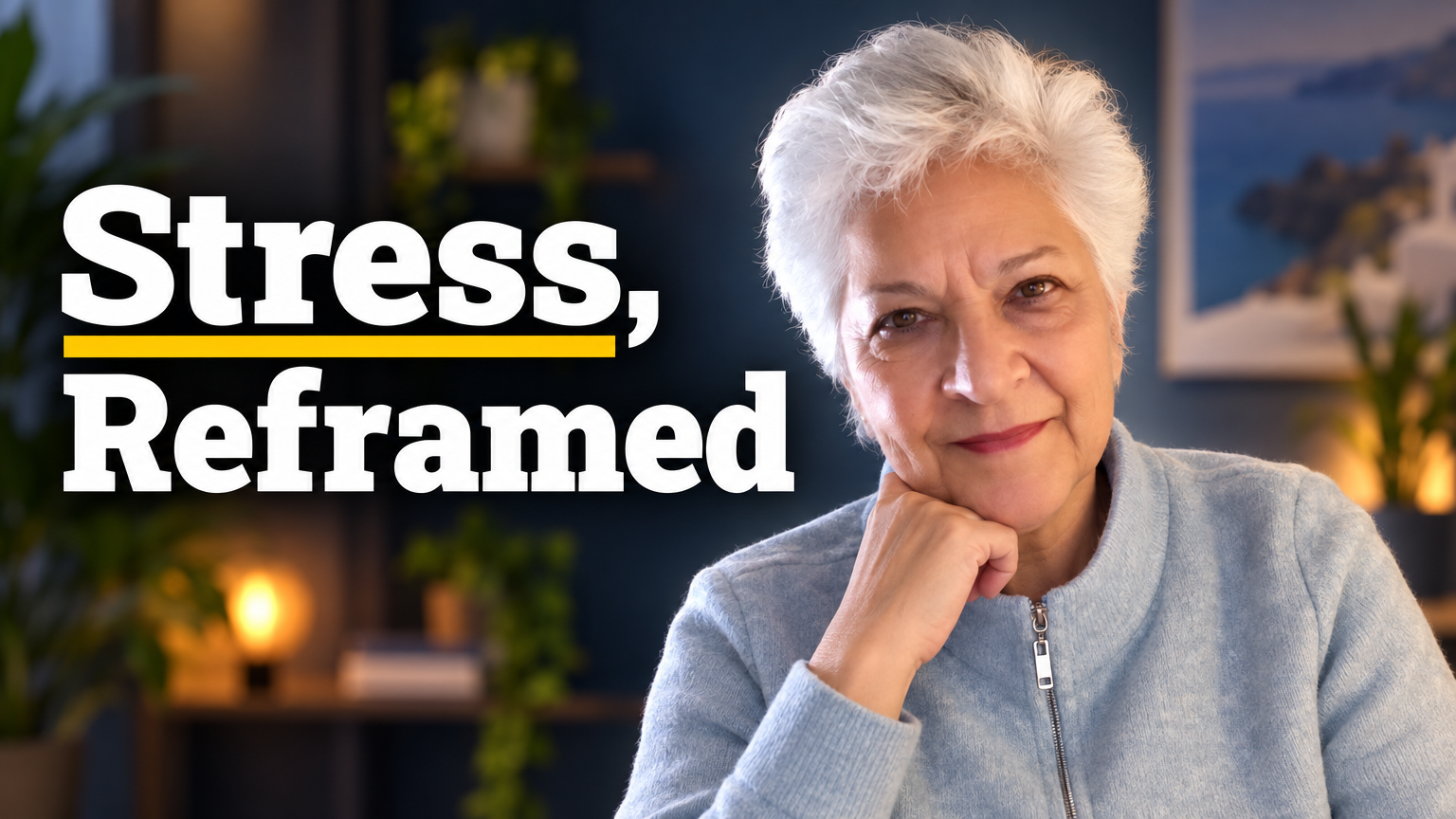
You might also enjoy listening to an episode of The Evexia Effect podcast, Stress, Reframed: Understanding the Messages Our Mind and Body Are Sending Us, featuring Dr Beba Papakyriakou.
In this conversation, we explore how we understand stress, the messages our minds and bodies are sending us, and why changing our relationship with stress can be an important part of looking after our wellbeing.
Listen to Stress, Reframed with Dr Beba Papakyriakou on Spotify
Because sometimes, the first step towards feeling better isn’t doing more. It’s learning to listen to ourselves a little more closely.
Here’s to a winter of being a little kinder to ourselves.
Retreats in Greece – helping you find the space, inspiration and support to reconnect with yourself.
We offer a holistic approach to wellness, blending traditional Windom with modern techniques.
Gilly Gwilliams
 Gilly Gwilliams
 Gilly Gwilliams


Add Comment